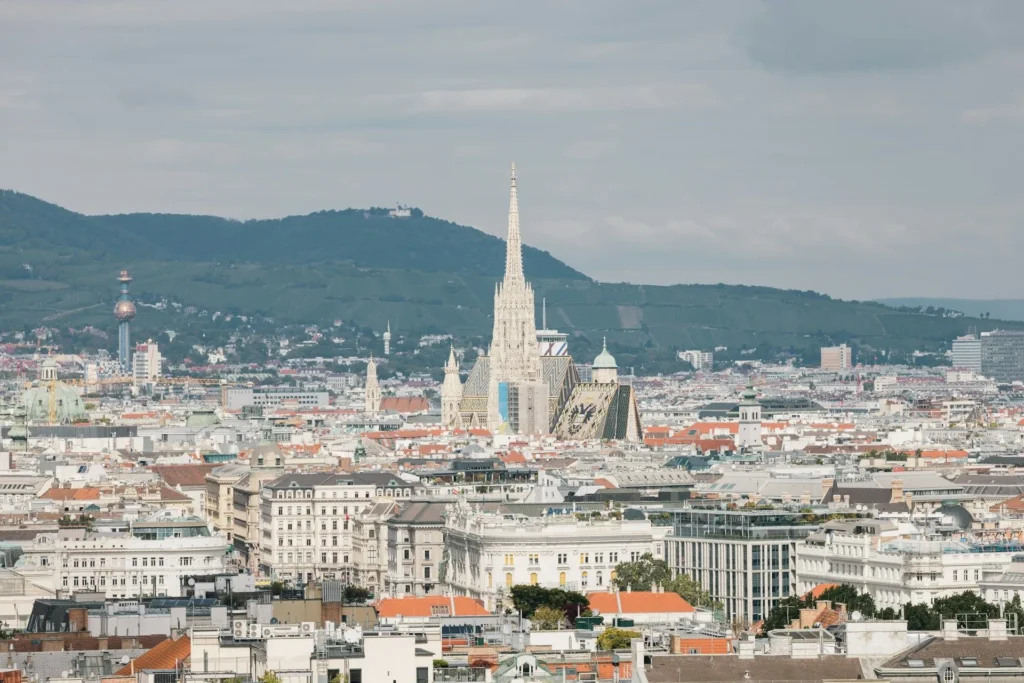
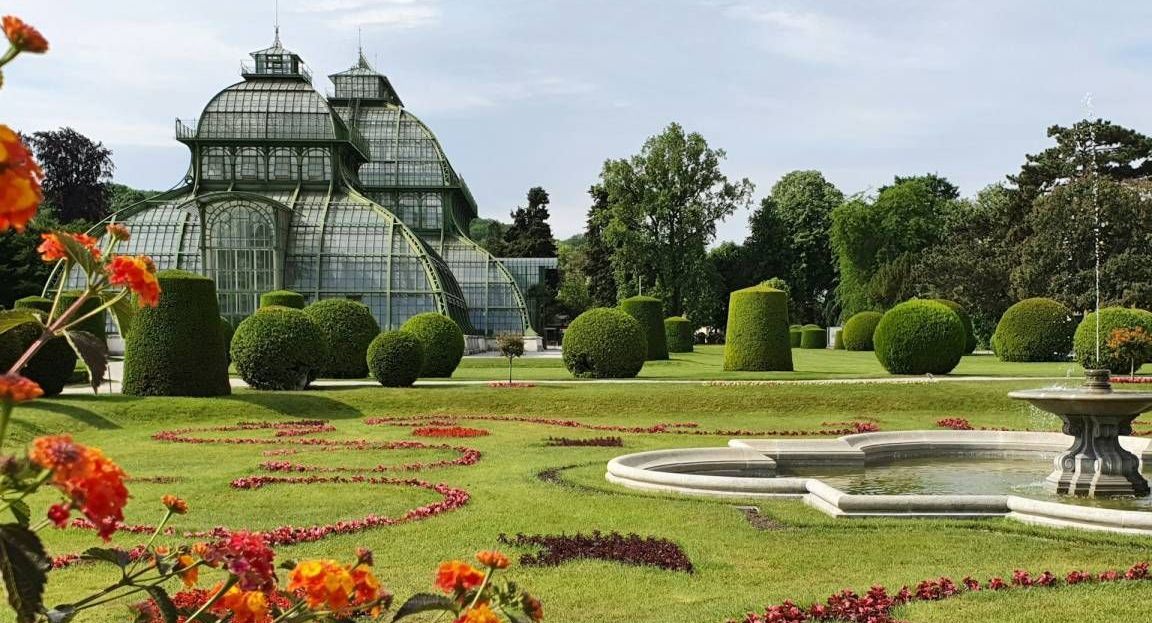
Vienna is more than just Austria’s capital—it’s a living museum of imperial history, classical music, and coffeehouse culture. Whether you have two days or a week, this guide covers the must-see attractions, best times to visit, insider tips, and how to make your trip truly unforgettable.

Spring (April–June): Blooming gardens, pleasant weather, ideal for palace visits.
Summer (July–August): Festival season, outdoor events, but larger crowds.
Autumn (September–October): Crisp weather, colorful parks, fewer tourists.
Winter (November–December): Magical Christmas markets and world-class concerts.
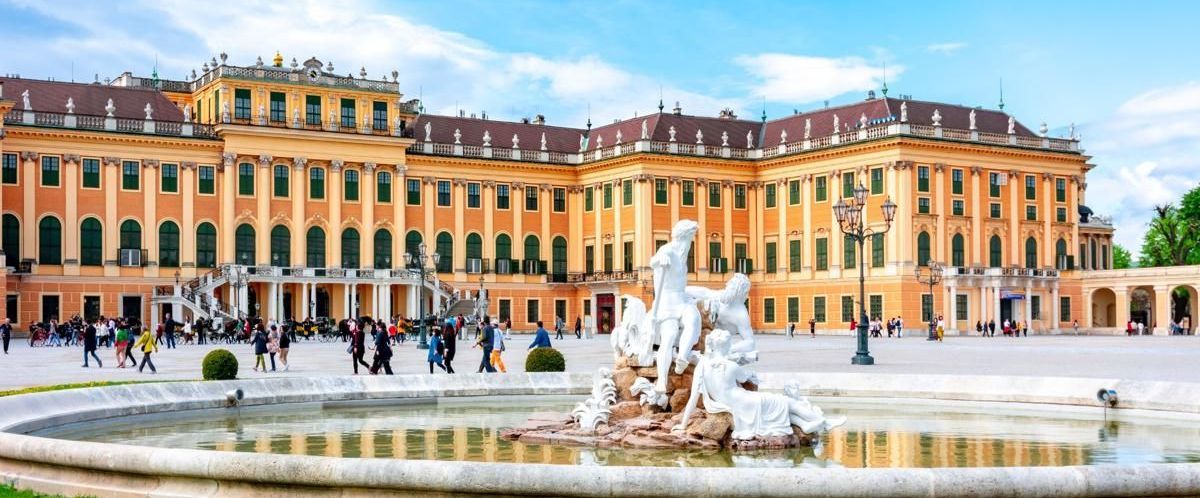
Former summer residence of the Habsburgs, with opulent rooms and manicured gardens.
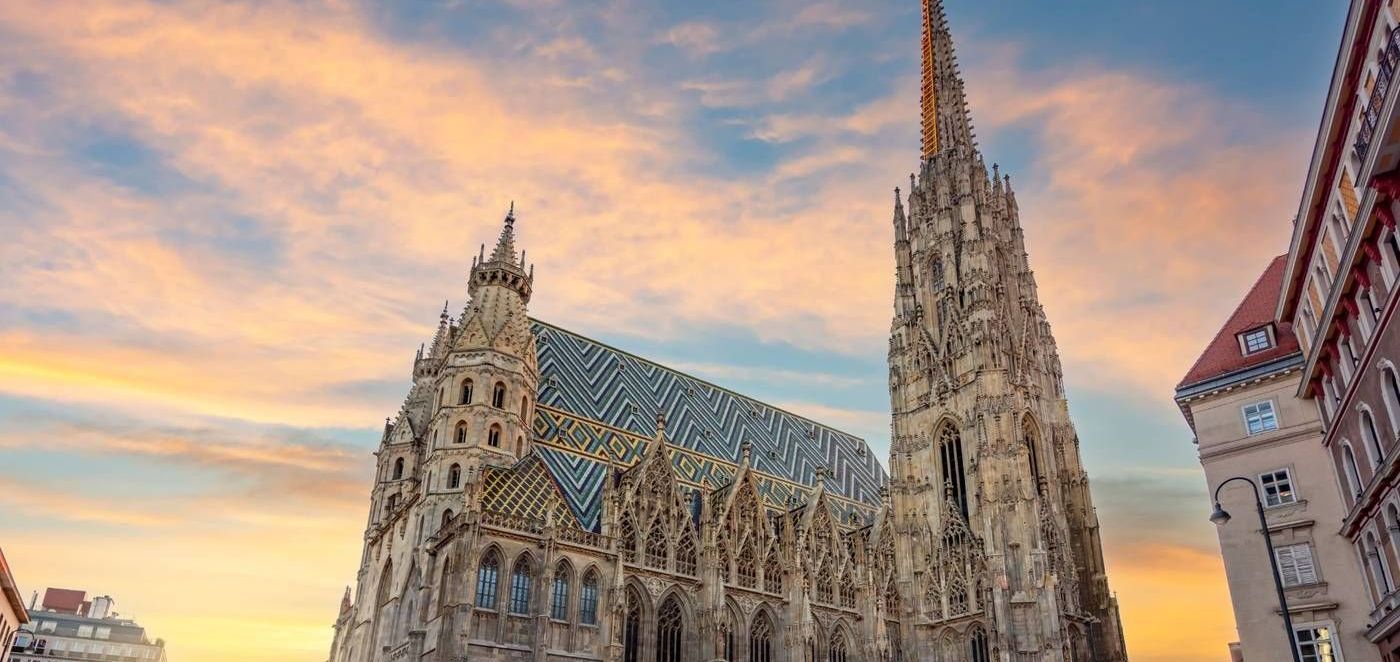
Gothic masterpiece in the heart of Vienna, known for its patterned tile roof. Climb the south tower for panoramic views.
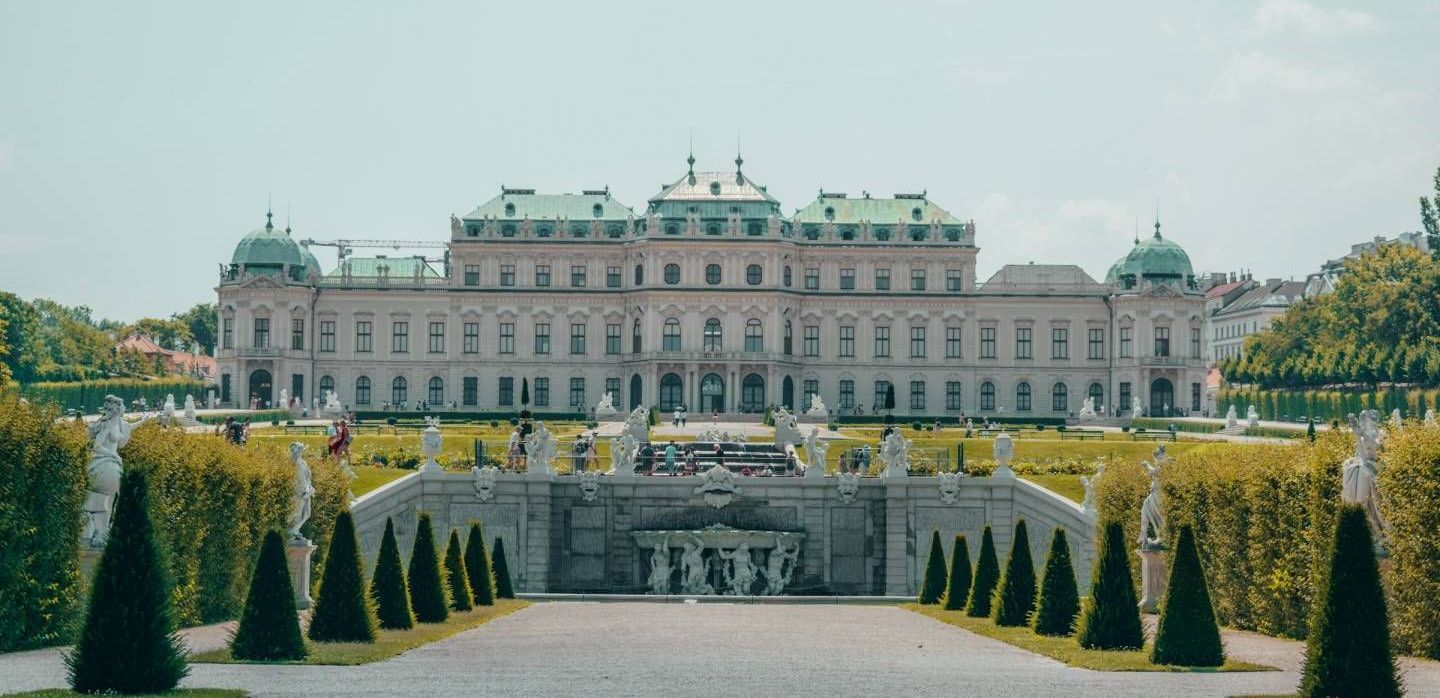
Split into Upper and Lower Belvedere, this baroque complex houses Gustav Klimt’s The Kiss.
The political and cultural heart of Vienna. Visit the Imperial Apartments, Sisi Museum, and the Spanish Riding School.
World-renowned opera house with daily performances. Take a guided backstage tour for an inside look.
A lively market offering fresh produce, spices, and street food. Great for a casual lunch stop.
Historic amusement park with panoramic city views from the Riesenrad Ferris wheel.
Map of Vienna attractions for first-time visitors: Includes Schönbrunn Palace, St. Stephen’s Cathedral, Belvedere Palace, Hofburg Palace, Vienna State Opera, Naschmarkt, and Prater Ferris Wheel.
Whether you’re here for two days or a week, the best way to experience Vienna is with a local guide who can share stories beyond the guidebooks.
For a first-time trip, 3–4 days lets you see the main attractions like Schönbrunn Palace, St. Stephen’s Cathedral, the Belvedere, and Hofburg, with time for museums and a walking tour.
Vienna can be moderately expensive, but public transport passes, budget-friendly cafés, and free attractions like city parks make it possible to visit on a range of budgets.
Yes. The historic center (Innere Stadt) is compact, and most top sights are within a 15-minute walk. Public transport is excellent for longer distances.
The City Airport Train (CAT) takes 16 minutes to Wien Mitte. Alternatively, S-Bahn trains and airport buses are cheaper options.
Vienna is known for its imperial palaces, classical music heritage (Mozart, Beethoven), coffeehouse culture, and seasonal events like its Christmas markets.
Spring (April–June) and autumn (September–October) offer mild weather, fewer crowds, and beautiful seasonal scenery.